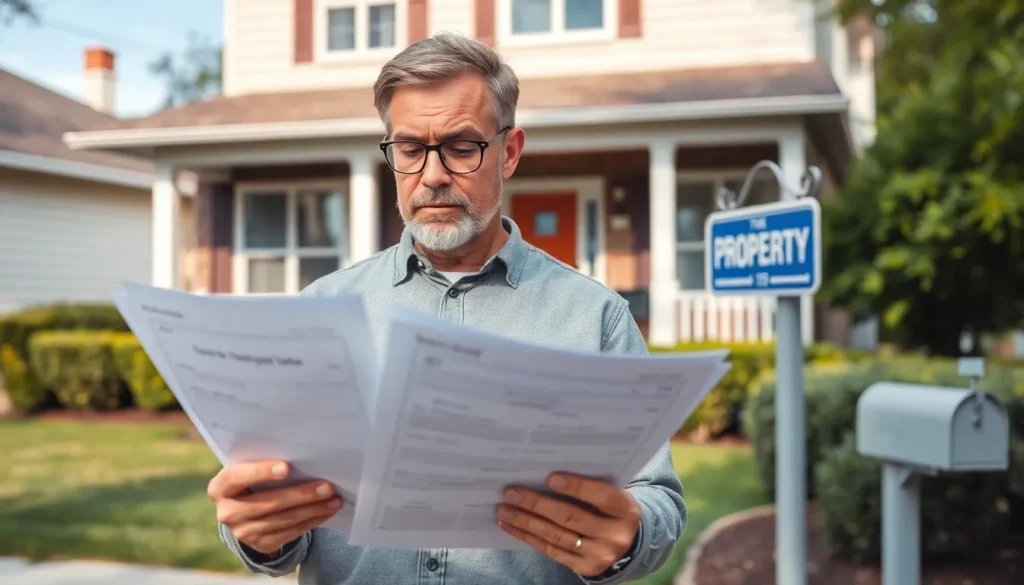
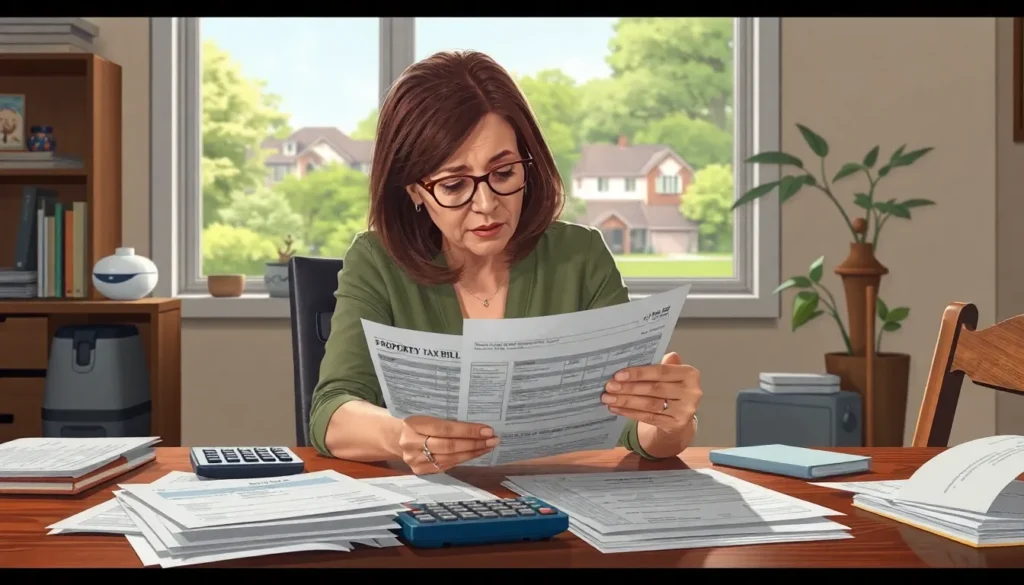
Property taxes—those delightful little reminders that homeownership comes with a side of financial responsibility. But when do these taxes actually show up to crash the party? For homeowners, understanding the timing of property tax assessments can feel like trying to find a needle in a haystack.
Understanding Property Taxes
Property taxes represent a significant financial obligation for homeowners. They fund essential local services like schools, infrastructure, and emergency services.
What Are Property Taxes?
Property taxes are mandatory fees based on real estate ownership. Many jurisdictions calculate them annually, assessing the value of properties to determine the tax amount. Each property owner receives a tax bill, which outlines the assessed value and total tax due. Taxes can vary widely depending on location and local tax rates. Understanding these fees helps homeowners budget effectively.
How Are Property Taxes Calculated?
Calculating property taxes involves assessing property value followed by applying the local tax rate. Assessors evaluate properties through methods like market comparisons and income assessments. Local governments then set tax rates, which can change annually based on budgetary needs. Homeowners can often find tax rates and assessment information on local government websites. Being informed about this process allows homeowners to anticipate changes in their tax obligations.
Timing of Property Tax Assessments

Property tax assessments occur at specific intervals set by local jurisdictions. Homeowners can expect property tax bills to arrive annually, usually in the late summer or early fall.
When Do Property Taxes Come Out?
Property tax deadlines vary by location. Many counties issue tax bills between August and November. To avoid penalties, it’s crucial to pay attention to local schedules and due dates.
Regional Variations in Property Tax Timings
Regional variations significantly affect property tax schedules. Some states require assessments every year, while others may assess biannually or even less frequently. Local regulations dictate when assessments take place, leading to differing timelines across regions. Understanding these variations helps homeowners anticipate their responsibilities effectively.
Important Dates to Remember
Understanding key dates is essential for managing property tax obligations effectively. Homeowners must remain aware of the timelines specific to their jurisdictions.
Assessment Periods
Assessment periods typically occur on an annual basis, although some regions may assess properties biannually or even less frequently. Local governments often establish these periods, so checking with specific county offices provides accurate dates. Property assessments may happen as early as January, impacting tax bills issued in subsequent months. Each locality may have unique assessment timelines that determine the amount of tax owed, underscoring the need for homeowners to stay informed about their area’s assessment schedule.
Payment Deadlines
Payment deadlines vary significantly across different counties or states. Many homeowners receive their tax bills between August and November, with most due dates set for December or January. Certain jurisdictions allow installment payments, spreading the cost over multiple months. Failure to meet these deadlines often results in penalties or interest charges, making timely payments crucial. It’s beneficial for homeowners to set reminders aligned with their local government’s payment schedule to avoid any late fees.
Consequences of Missed Deadlines
Missing property tax deadlines leads to significant financial repercussions for homeowners. In many jurisdictions, unpaid taxes accrue penalties and interest swiftly.
Penalties and Interest
Missed payments may incur penalties ranging from 1% to 5% of the total tax due, increasing over time for each month of delinquency. Interest rates can compound, often ranging from 6% to 12% annually. Homeowners facing these charges may find themselves in deeper financial trouble as unpredictable expenses mount. Local governments typically send additional notices to remind property owners of outstanding balances. Thus, timely payments are crucial to avoid these unnecessary costs.
Impact on Property Ownership
Property ownership can be jeopardized by missed tax payments. Delinquent accounts may lead to liens being placed on properties, affecting credit ratings and future borrowing potential. Continued failure to pay taxes may ultimately result in tax foreclosure, where the government seizes the property to recover owed taxes. Missing multiple deadlines can quickly escalate the consequences, making it vital for homeowners to remain vigilant about tax obligations. Even if payments appear manageable, unexpected penalties can create challenges in maintaining property ownership.
Understanding when property taxes come out is essential for homeowners to manage their financial responsibilities effectively. Staying informed about local assessment periods and payment deadlines can prevent unexpected penalties and financial strain. By keeping track of these key dates and understanding the implications of missed payments, homeowners can protect their investments and ensure they remain in good standing with local authorities. It’s crucial to prioritize these obligations as they play a vital role in funding community services. With the right knowledge and proactive planning, homeowners can navigate the complexities of property taxes with confidence.