Table of Contents
ToggleAs people age, maintaining a clean home becomes harder, not because seniors stop caring, but because physical limitations, arthritis, balance issues, and simple fatigue make it tougher to manage. House cleaning services for seniors aren’t a luxury: they’re a practical solution that keeps aging adults safe, healthy, and independent in their own homes. Whether it’s reaching high shelves, lifting heavy loads, or just managing the time commitment, professional help removes a significant burden. This guide walks you through finding reliable cleaning services tailored to senior needs, understanding costs, and making sure you’re hiring someone trustworthy.
Key Takeaways
- House cleaning services for seniors address critical safety concerns, including fall hazards, health risks from clutter and mold, and physical strain from arthritis and limited mobility.
- Professional cleaning services come in multiple types—standard housecleaning, deep cleaning, specialized senior care, and post-hospital recovery—allowing seniors to choose based on their specific needs and budget.
- Finding reliable house cleaning services for seniors near you requires checking online reviews, asking direct questions about bonding/insurance/background checks, and verifying references from other senior clients.
- Cost-conscious seniors can reduce expenses by using hybrid approaches, such as bi-weekly professional cleaning combined with family help, or hiring professionals only for physically demanding tasks.
- Reputable services in your area should conduct background checks, provide consistent staff, have clear communication channels for concerns, and understand the unique pace and respect that senior clients require.
- Safety measures like meeting cleaners beforehand, securing valuables, using monitoring cameras, and trusting your instincts protect seniors while maintaining independence and peace of mind.
Why Seniors Need Professional Cleaning Services
Keeping a home clean is demanding work. For seniors, it’s often more than just preference, it’s a safety issue. A cluttered or dirty home increases fall risk, promotes respiratory issues, and can attract pests or mold that pose health hazards. Arthritis makes gripping mops or bending over toilets painful. Climbing ladders to clean windows or change ceiling light bulbs carries real danger. Beyond the physical toll, housework consumes time and energy that could go toward hobbies, socializing, or rest.
Professional cleaning services address all of this. They reduce physical strain, minimize fall hazards, and free up mental and emotional bandwidth. For seniors living alone or with partners also managing age-related health challenges, outsourcing this chore isn’t giving up, it’s being smart.
Benefits Of Professional Cleaning For Independent Living
When seniors can stay in their homes longer without exhaustion or injury from housework, independence thrives. A clean, organized living space reduces stress and depression, both common in aging populations. Knowing the home is safe, free of tripping hazards, mold, and dust, offers peace of mind for the senior and their family.
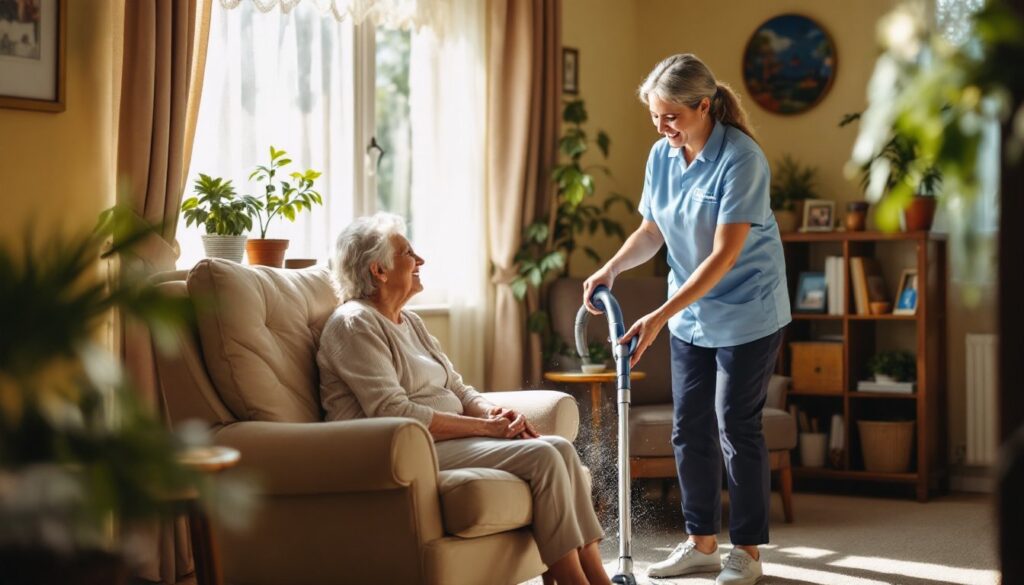
There’s also a social dimension: many cleaning services build routine relationships with regular clients, creating friendly check-ins and someone paying attention to the senior’s wellbeing. Professional cleaners often notice subtle changes, new mobility issues, signs of neglect, or emerging health concerns, that can prompt conversations with family or healthcare providers. The reliability of a scheduled service also creates structure and predictability, which many seniors value.
Types Of House Cleaning Services Available For Seniors
Not all cleaning services are the same, and seniors have options depending on their needs and budget.
Standard Housecleaning covers basics: vacuuming, dusting, mopping, bathroom sanitizing, and kitchen cleaning. This works for seniors who are mostly independent but need help with the heavy lifting. Sessions typically run 2–4 hours and happen weekly or bi-weekly.
Deep Cleaning Services tackle the jobs that don’t happen every week: washing windows inside and out, cleaning behind appliances, scrubbing grout, and baseboards. These are often scheduled seasonally or as a one-time project.
Specialized Senior Care Cleaning goes further. It includes mobility-friendly modifications like removing clutter that blocks pathways, organizing items for easy access, and ensuring bathrooms are slip-free. Some services offer light laundry, meal prep support, or organizing closets and drawers. These are especially valuable for seniors with mobility challenges or early cognitive decline.
Post-Hospital or Recovery Cleaning handles the home right after a senior is discharged from medical care. The home is thoroughly sanitized, medications and supplies are organized safely, and the environment is set up to support recovery.
When browsing house cleaning hacks online, you’ll find DIY strategies that work for mild situations, but professional services handle scale and consistency that DIY can’t match. Ask potential services which type they specialize in, a company comfortable with elderly clients understands the pace, communication style, and special needs that matter.
How To Find Reliable Cleaning Services In Your Area
Finding a trustworthy cleaner near you starts with knowing where to look. Online directories like Angi and HomeAdvisor let you filter by service type, location, and customer reviews. These platforms vet contractors and provide rating systems, so you’re not starting from zero. Local senior centers often have referrals: staff there know which services work well for aging clients.
Word-of-mouth from friends, family, and healthcare providers is gold. If your doctor’s office, physical therapist, or local senior health clinic recommends someone, that’s a strong signal. Facebook groups for seniors or neighborhood groups like Nextdoor sometimes have detailed reviews and direct recommendations.
When narrowing down options, check reviews specifically mentioning reliability, punctuality, and respect for privacy. Read recent reviews, older ones don’t reflect current staff or practices. Don’t hesitate to call and ask how long the company has served seniors: experience matters.
Questions To Ask Before Hiring A Service
Before signing anything, ask these questions:
- Are cleaners bonded and insured? This protects the senior if something breaks or the cleaner is injured on the job.
- Do you conduct background checks? Any reputable service screening people who enter homes should verify this.
- What’s your cancellation and rescheduling policy? Life happens: understand how flexible they are.
- Who shows up on the first day? Will it be the same person each time, or do you rotate? (Consistency is easier for seniors.)
- How do you handle requests or complaints? There should be a clear process if something isn’t right.
- Are you licensed/insured as a business? Sole proprietors can be fine, but confirm they have liability coverage.
- Do you offer references from other senior clients? Contact one or two and ask about reliability and professionalism.
- What if I need to reduce or pause service? Understand the terms and flexibility.
Cost Considerations And Budget-Friendly Options
Cleaning service costs vary wildly by region, home size, and service level. A basic 2-hour weekly clean in a small apartment might run $80–150 per visit in a rural area, while the same service in a major metropolitan area could be $150–300 or more. Deep cleaning or specialized services cost 30–50% extra. Annual contracts sometimes offer 10–15% discounts versus paying per visit.
For seniors on fixed incomes, cost matters. Start by determining what you truly need. Do you need full cleaning weekly, or can you manage every other week with daily tidying? Can family pitch in for bigger tasks monthly, with professionals handling the routine work? This hybrid approach cuts costs without abandoning the home.
Some seniors qualify for subsidized services through Area Agencies on Aging (AAA), which receive federal funding to support in-home services for low-income seniors. Call your local AAA office or check the Eldercare Locator (eldercare.acl.gov) to see if you qualify. Medicaid sometimes covers in-home services for eligible seniors too.
Another budget-friendly move: hire a service for a deep clean once or twice yearly, then do lighter maintenance yourself or with family help between visits. Or employ a cleaner for the physically demanding tasks (bathrooms, floors, windows) and handle dusting and tidying yourself. When comparing quotes, remember that cheapest isn’t always best, an unreliable or careless service will cost more in frustration and potential damage.
Safety And Trust When Allowing Service Providers Into Your Home
Inviting someone into your home is a trust decision, especially for seniors who may feel vulnerable. Start by checking references and reviews thoroughly. Ask if the company conducts background checks on all employees. Most reputable services do: if they won’t answer clearly, that’s a red flag.
Meet the cleaner before they start regular service. Observe how they interact, are they respectful, attentive to your instructions, and comfortable with your home? On the first visit, walk them through what needs cleaning and note any concerns before they leave.
Practical safety steps: have someone else present during the first few visits if possible. Lock away medications, financial documents, and valuables in a bedroom or safe. Keep a spare key accessible but not hidden in obvious places (under the mat is the first place stolen keys are found). Consider a camera in common areas: many seniors use affordable Ring doorbells or indoor cameras as a deterrent and peace of mind. Don’t share passwords or leave devices unlocked.
If anything feels off, items moved, money questioned, or your gut saying “no”, trust that instinct and switch services. Good companies understand this is business, not personal. A senior’s comfort and safety come first. When planning major home changes, resources like moving checklists and logistical guides from Freshome can help coordinate timing with service changes and household transitions.