Table of Contents
ToggleGeorgetown, Texas homeowners face unique cleaning challenges, from the dust that rolls in with spring winds to the humidity and allergens that thrive in the region’s subtropical climate. Whether you’re managing a full household on your own or juggling work and family, keeping your home clean requires strategy, not just elbow grease. This guide walks you through both professional cleaning services available in Georgetown and practical DIY methods that work with, not against, the local climate and seasonal conditions.
Key Takeaways
- Georgetown, TX’s humid subtropical climate accelerates dust and mold growth, making professional house cleaning services valuable for deep tasks like HVAC vents and window tracks that DIY methods can’t easily reach.
- A hybrid approach combining quarterly professional deep cleaning with consistent DIY maintenance between visits keeps costs manageable while addressing Georgetown’s hard water deposits, allergens, and moisture-related challenges.
- Room-by-room cleaning with microfiber cloths and a HEPA-filter vacuum prevents allergen spread and addresses the unique seasonal demands of Cedar fever pollen, spring dust, and summer humidity in Central Texas.
- White vinegar and water solutions effectively dissolve Georgetown’s hard water mineral deposits on shower glass and fixtures without harsh chemicals or abrasive scrubbing.
- Seasonal adjustments—including twice-weekly vacuuming during spring Cedar fever season, exhaust fan use during summer humidity, and humidifier operation during dry winter heating—optimize home cleanliness year-round.
- Essential cleaning tools like microfiber cloths, oxygen-based cleaners, baking soda, and a squeegee for shower doors handle 90% of household tasks efficiently and cost-effectively.
Why Professional Cleaning Services Matter in Georgetown
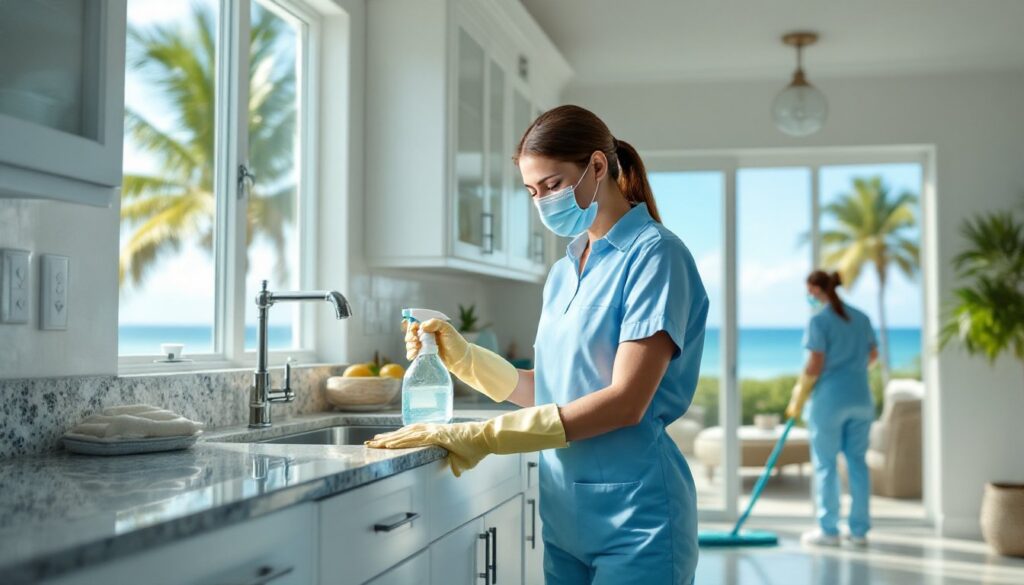
Georgetown’s hot, humid climate accelerates dust buildup and encourages mold and mildew growth, especially in bathrooms and basements. Professional cleaning services handle deep tasks that go beyond weekly tidying, baseboards, high ceiling corners, window tracks, and HVAC vents where dust collects fastest in Texas heat.
Hiring professionals makes sense if you’re dealing with post-construction debris, deep carpet cleaning, or a seasonal refresh before the summer humidity peaks. A local Georgetown cleaning service knows the region’s particular challenges: limestone-heavy water deposits on shower glass, fine dust that settles quickly on horizontal surfaces, and the moisture levels that promote mold in poorly ventilated spaces.
For many homeowners, a hybrid approach works best: professional deep cleaning quarterly or semi-annually paired with consistent DIY maintenance between visits. This keeps costs manageable while addressing the tough jobs that require commercial equipment or specialized knowledge.
DIY Cleaning Strategies for Georgetown Homeowners
Room-by-Room Cleaning Approach
Breaking your home into zones prevents overwhelm and ensures nothing gets skipped. Start with bedrooms, move to common areas, then tackle bathrooms and kitchens last (they’re dustier, so you don’t re-contaminate clean spaces).
Bedrooms and living areas need vacuuming, dusting, and surface wiping. Use a microfiber cloth to trap dust rather than spreading it around: standard cotton cloths just move particles to new surfaces. Declutter first, removing items from shelves before dusting takes extra time but prevents re-dusting those objects individually.
Bathrooms demand attention to tile grout, exhaust fans, and beneath fixtures where moisture lingers. Georgetown’s hard water leaves mineral deposits on shower glass and faucets: a mixture of white vinegar and water cuts through limescale without harsh chemicals. Run the exhaust fan during and 30 minutes after showers to pull moisture out of the air and reduce mold risk.
Kitchens require both surface cleaning and appliance maintenance. Wipe down cabinet fronts, clean inside the microwave (steam a bowl of water with lemon for 5 minutes to loosen splatters), and don’t forget the range hood filter, a clogged filter reduces ventilation and lets grease settle on walls and ceilings. House cleaning hacks can streamline your approach and transform routine tasks into efficient routines.
Essential Tools and Eco-Friendly Products
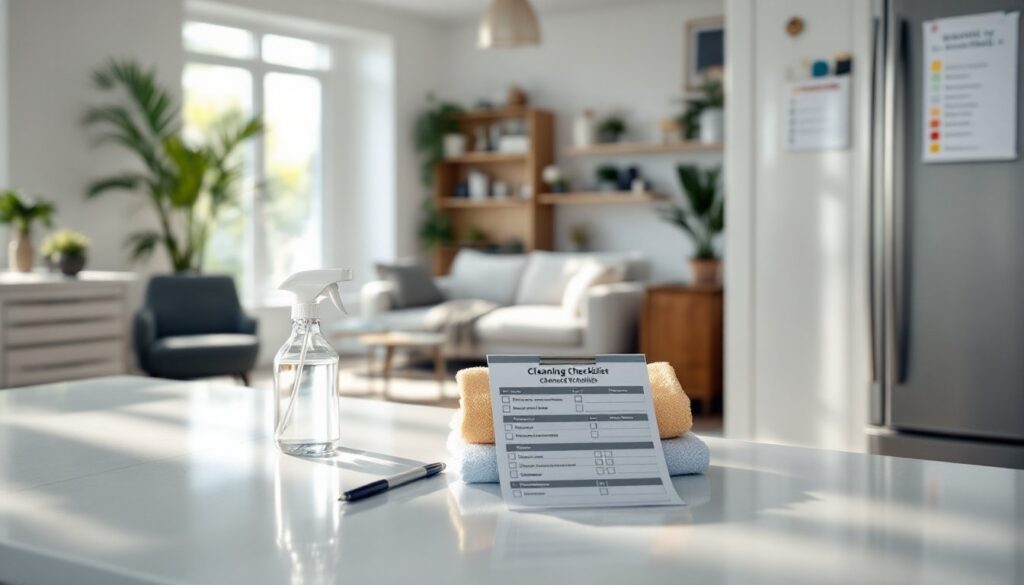
You don’t need a closet full of specialty cleaners. A core toolkit handles 90% of home cleaning:
- Microfiber cloths and mop pads (reusable, trap dust and bacteria better than cotton)
- Vacuum with HEPA filter (essential in Texas humidity to capture allergens)
- Squeegee for shower doors (prevents water spots and mineral deposits)
- Baking soda (cuts odors, scrubs surfaces gently, deodorizes carpets)
- White vinegar (dissolves mineral deposits, cuts soap residue)
- Dish soap and water (tackles grease and everyday grime)
- Old toothbrush (reaches tile grout and tight corners)
For tougher jobs, oxygen-based cleaners (like OxiClean) work on stains without the toxicity of chlorine bleach. If you’re dealing with mold or mildew, a diluted bleach solution (1 part bleach to 10 parts water) is effective: always ventilate well and wear gloves and eye protection. Good Housekeeping’s tested recommendations provide vetted product reviews if you’re unsure about specific cleaners.
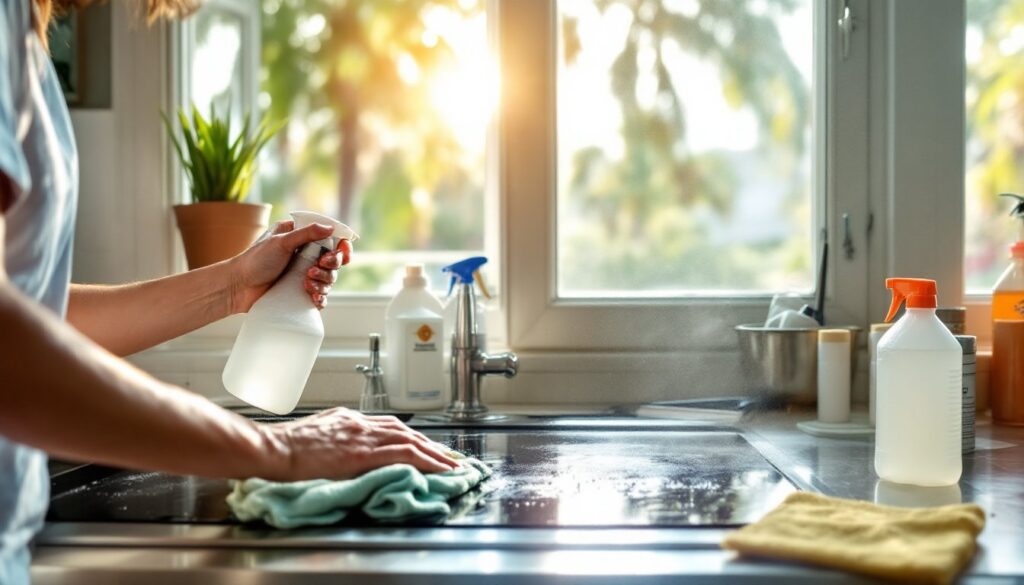
Georgetown’s hard water makes vinegar particularly valuable, it removes mineral buildup without abrasive scrubbing. Store vinegar in a spray bottle, mix it 50/50 with water, and apply to bathroom tiles, shower doors, and chrome fixtures. Let it sit for 5 minutes before wiping.
Managing Georgetown’s Climate and Seasonal Cleaning Challenges
Georgetown’s weather shifts dramatically across the year, and cleaning priorities shift with it. Spring brings Cedar fever allergens and pollen that settle on every surface: summer humidity creates mold risk: fall means leaves and dust entering through doors and windows: winter cold means indoor heating that dries air and triggers dust circulation.
In spring, vacuum more frequently (twice weekly if you have allergies), wash window screens before opening windows, and wipe baseboards where pollen settles. Cedar pollen specifically sticks to horizontal surfaces, so daily dusting during peak season (December through February for Cedar fever) makes a noticeable difference in air quality.
Summer humidity (often 70–80%+ in Georgetown) speeds mold growth. Run exhaust fans during showers, use a dehumidifier in basements or poorly ventilated bathrooms, and keep air conditioning running to manage moisture. Wipe down bathroom walls and shower surrounds weekly to prevent mold colonies from establishing.
Fall requires attention to entryways, leaves and debris accumulate quickly. Vacuum or sweep entry areas daily, and consider a mat or boot scraper outside to catch dirt before it tracks inside. The Spruce’s comprehensive guides offer seasonal cleaning checklists and timely advice.
Winter heating dries indoor air, which ironically increases dust circulation, dry air makes dust particles lighter and more likely to float. Run a humidifier to maintain 30–50% humidity (comfortable for both people and wood furniture), and increase vacuuming frequency as heating systems cycle more often.
Conclusion
Keeping a home clean in Georgetown requires adapting to local climate realities, humidity, hard water, seasonal allergens, and dust patterns unique to central Texas. A combination of strategic DIY routines and occasional professional help creates a maintenance rhythm that’s sustainable. Focus on high-impact tasks (vacuuming with a HEPA filter, managing moisture in bathrooms, and seasonal allergen control), invest in quality tools, and use simple, cost-effective cleaners. Your home will stay fresher, longer, with less wasted effort.