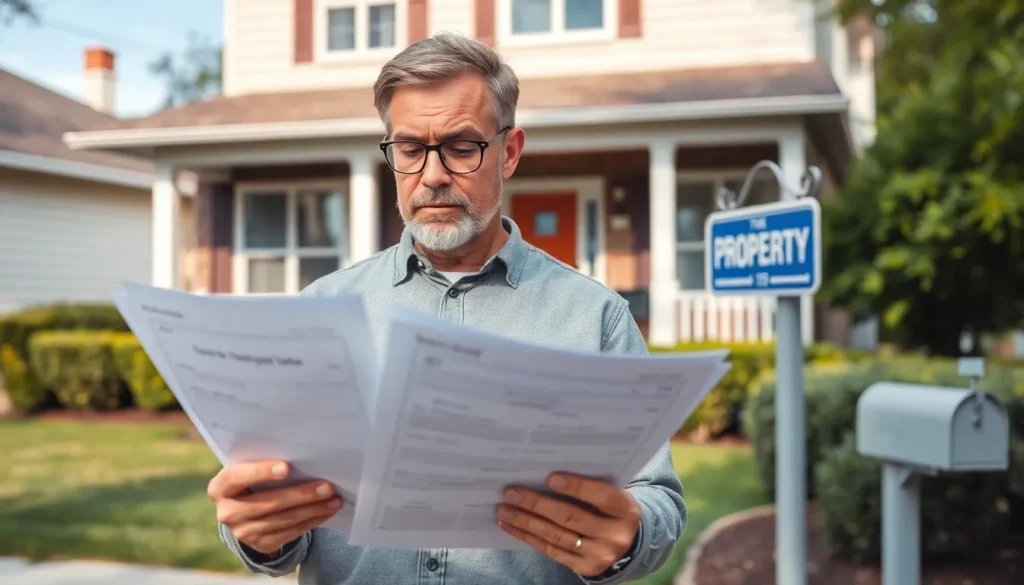

Buying a house can feel like navigating a maze blindfolded. With so many twists and turns, it’s easy to get lost in a sea of paperwork, mortgage rates, and endless open houses. But fear not! This guide is here to turn that daunting task into a walk in the park—complete with a picnic and maybe even a cute dog.
Understanding the Home Buying Process
Navigating the home buying process can feel daunting. Knowing the steps and terminology helps simplify the journey.
Steps to Buy a House
- Determine affordability through a budget analysis.
- Research local housing markets to find preferred neighborhoods.
- Get pre-approved for a mortgage to understand financing options.
- Work with a real estate agent who knows the area well.
- Visit potential houses during open houses or private tours.
- Make an offer based on market analysis and house condition.
- Complete inspections to ensure property meets expectations.
- Finalize mortgage and review closing documents.
- Close the sale and receive house keys.
Key Terms to Know
- Appraisal establishes a property’s market value.
- Closing refers to the final steps in the purchase process.
- Down payment is the initial sum paid towards the purchase.
- Home inspection identifies any necessary repairs before purchase.
- Pre-approval is a lender’s preliminary evaluation of creditworthiness.
- Contingency outlines conditions for the purchase agreement.
- Escrow involves holding funds until all conditions are met.
- Title search verifies the property’s ownership history.
Financing Your Home Purchase

Financing a home purchase involves understanding various options and budgeting effectively. Making informed decisions helps buyers navigate this critical stage with confidence.
Types of Mortgages
Fixed-rate mortgages offer stability. With a consistent interest rate, monthly payments remain unchanged throughout the loan term. Adjustable-rate mortgages (ARMs) start with lower rates that can fluctuate over time, impacting payments. Government-backed loans, such as FHA and VA loans, provide favorable terms for qualified buyers, often requiring lower down payments. Each mortgage type serves different financial situations, so evaluating personal circumstances is vital.
Budgeting for Your New Home
Establishing a budget requires consideration of multiple factors. Buyers should account for monthly mortgage payments, property taxes, and homeowners insurance. Home maintenance and utilities also factor into ongoing costs. Aiming for a budget that does not exceed 28-30% of gross monthly income ensures financial stability. Creating a list of all potential expenses aligns with realistic financial planning, enabling informed decisions throughout the purchase process.
Finding the Right Property
Finding the right property involves thorough consideration and active research. Buyers benefit from understanding their preferences and needs.
Researching Neighborhoods
Exploring neighborhoods shapes the home-buying experience. Residents often prioritize access to schools, public transport, and amenities. Safety statistics, local community events, and future development plans provide valuable insight. Observing the vibe of the area can help determine if it aligns with lifestyle preferences. Utilizing online platforms, visiting in-person, and engaging with local residents assists in making an informed choice.
What to Look for in a Home
Identifying key features in homes is crucial. Space requirements, such as the number of bedrooms and bathrooms, often top the list. Assessing the condition of utilities, appliances, and infrastructure helps avoid unexpected expenses. Outdoor space like yards or patios may also influence decisions. Buyers may consider future resale value, looking for homes with unique aspects that increase market appeal. Prioritizing personal preferences ensures the chosen home meets both immediate and long-lasting needs.
Making an Offer
Making an offer on a house is a pivotal step in the home-buying process. Understanding how to approach this task ensures a strong position in negotiations.
How to Determine Your Offer Price
Determining an appropriate offer price involves various factors. Analyze recent sales of comparable properties in the neighborhood; this data provides insight into market trends. Consider the home’s condition, location, and any unique features that may increase or decrease its value. Analyzing your budget helps establish a limit for your offer. Getting a pre-approval letter from a lender confirms affordability, providing a solid foundation for discussions. Consulting a buyer’s agent can also offer invaluable advice on competitive pricing strategies that align with your goals.
Negotiating the Purchase
Negotiating the purchase provides an opportunity to strengthen your position. Establishing clear communication with the seller often leads to favorable outcomes. Be ready to counter any initial offers with your prepared proposal. Highlighting your strengths as a buyer, such as pre-approval status or flexible closing dates, builds trust. Remaining open to compromise can facilitate a successful negotiation. Gathering information about the seller’s motivation may uncover opportunities for more favorable terms. Ending negotiations constructively, even with minor concessions, can secure a favorable agreement for both parties.
Closing the Deal
Closing the deal marks a significant milestone in the home-buying journey. It involves a series of final steps leading to ownership transfer.
Understanding Closing Costs
Closing costs usually range from 2% to 5% of the home’s purchase price. These expenses encompass services, taxes, and fees associated with finalizing the transaction. Common fees include appraisal fees to assess property value, title insurance to protect against title issues, and attorney fees for legal counsel. Expect to pay recording fees for documents and prepaid property taxes. Buyers should budget accordingly to avoid unexpected financial strain. Reviewing the Closing Disclosure, which lists all closing costs, ensures clarity and prepares buyers.
Final Walkthrough Checklist
The final walkthrough occurs shortly before closing. This step provides an opportunity to confirm that the home is in the agreed condition. Begin by checking appliances to ensure they function correctly. Examine plumbing fixtures for leaks and verify that repairs stipulated in the contract are completed. Also, look for any new damage since the last visit. Taking notes during this walkthrough aids in addressing any issues with the seller before finalization. Completing this checklist promotes confidence in the purchase and reinforces the buyer’s position.
Navigating the home-buying journey doesn’t have to be daunting. With the right knowledge and preparation buyers can approach the process with confidence. Understanding essential steps and terminology is crucial for making informed decisions.
Establishing a budget and exploring financing options helps ensure financial stability. Additionally, thorough research on properties and neighborhoods allows buyers to find a home that truly meets their needs.
Effective negotiation and a clear understanding of the closing process further empower buyers to secure their dream home. By following this guide, home buyers can transform what seems like a complex maze into a manageable and rewarding experience.